When to call a professional tree service in Jacksonville is the moment you notice any sign that your tree poses a safety risk, exceeds your skill level, or requires expert diagnosis to protect your property and family. Jacksonville homeowners face unique challenges — hurricane-season storms, clay soil instability, and towering live oaks that demand certified arborist expertise. Waiting to address a dangerous tree situation can turn a manageable $600 pruning job into a $4,500 emergency removal and property repair nightmare. If you're uncertain whether your tree problem qualifies for professional help, this guide provides the clear answers you need to make a safe, cost-effective decision right now.
Emergency Situations That Require Immediate Tree Service
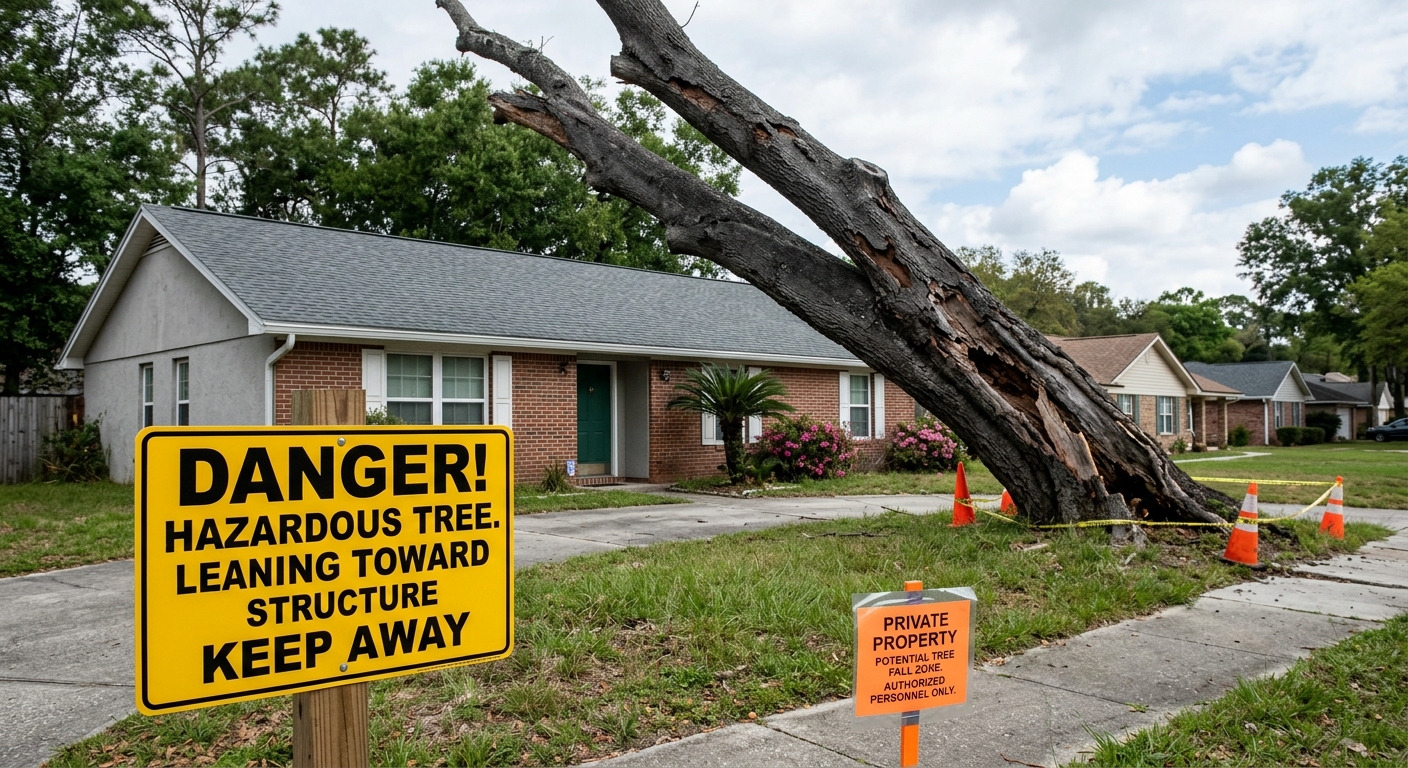
Certain tree emergencies demand immediate professional response — attempting DIY solutions in these scenarios puts lives and property at severe risk. When you're facing storm damage, structural instability, or imminent collapse, every hour counts. Jacksonville's severe weather patterns and mature tree canopy mean emergency tree situations happen more frequently here than in most Florida cities.
Storm Damage & Fallen Trees — Don't Wait
Storm damage creates the most urgent scenarios for calling a professional tree service. If a tree has fallen across your driveway, roof, or fence after a storm, do not attempt removal yourself. Even partially fallen trees remain under extreme tension — shifting weight can cause sudden movement that crushes anything in its path. Certified arborists use rigging systems and tension-release techniques to safely dismantle storm-damaged trees without further property damage. Jacksonville's hurricane season runs June through November, and post-storm demand surges mean faster response times go to callers who act immediately. A fallen tree blocking access or touching your home requires same-day emergency response to prevent water intrusion, pest access, and secondary structural damage.
Leaning Trees and Structural Instability
A leaning tree signals root failure, soil erosion, or internal decay — all conditions that can lead to sudden collapse. If your tree has developed a noticeable lean (especially after heavy rain or wind), call a professional tree service immediately for a tree risk assessment. Jacksonville's clay soil becomes saturated during summer thunderstorms, reducing root anchorage and causing previously stable trees to shift. Any lean greater than 15 degrees from vertical, or any tree that has recently started leaning, requires expert evaluation. Arborists check the root zone for stability, assess the lean angle, and determine whether cabling, bracing, or removal is the safest option. Waiting even a few days risks catastrophic failure during the next storm.
Trees Threatening Power Lines or Structures
Trees in contact with or dangerously close to power lines create electrocution and fire hazards that only licensed professionals should address. If branches are touching electrical lines, do not attempt to trim them yourself — contact a professional tree service with utility-line clearance certification. Jacksonville Electric Authority (JEA) handles main transmission lines, but trees threatening service lines from the pole to your home are your responsibility. Similarly, trees with branches overhanging your roof or leaning toward your garage need professional assessment. One strong gust can send a heavy limb through your roof, and homeowner's insurance often denies claims when preventable hazards were ignored. ISA-certified arborists identify clearance requirements and perform structural pruning to eliminate the threat while preserving tree health.
Warning Signs Your Tree Is Dangerous
Recognizing early warning signs of a hazard tree can save you thousands in emergency costs and prevent injury or property damage. Many dangerous conditions develop gradually — knowing what to look for helps you call a professional before the situation becomes critical. Jacksonville homeowners should inspect their trees seasonally, especially before and after hurricane season.
Dead Branches and Crown Dieback
Dead branches in the crown indicate declining tree health and pose immediate falling risks. When you notice multiple dead branches, sparse foliage in the upper canopy, or sections of the tree with no leaves during the growing season, call a professional tree service for diagnosis. Crown dieback often signals root damage, disease, or internal decay that compromises the entire tree's stability. Dead branches become brittle and can fall without warning — a 4-inch diameter branch falling from 30 feet carries enough force to cause serious injury or vehicle damage. Certified arborists perform crown thinning to remove deadwood safely and assess whether the tree can recover or requires removal. Jacksonville's live oaks and southern magnolias are particularly prone to crown dieback after prolonged drought or soil compaction from construction.
Large Cracks, Splits, and Trunk Decay
Visible cracks in the trunk, deep splits in major limbs, or areas of soft, spongy bark indicate structural failure and decay fungi. If you can press into the bark and feel softness, or if you notice mushrooms growing at the base of the tree, internal decay has already compromised the wood's strength. Large cracks that extend deep into the trunk are failure points — the tree can split apart during high winds. These conditions require immediate evaluation by a licensed arborist. Professionals use sonic tomography and resistance drilling to measure the extent of internal decay and determine if the tree is a hazard. Trunk decay progresses rapidly in Jacksonville's humid climate, and what looks like a small crack on the surface often conceals extensive rot inside.
Root Damage and Soil Erosion Around the Base
Exposed roots, soil erosion around the base, or recent construction within the root zone all compromise a tree's stability. The root zone extends 2-3 times the width of the canopy — any digging, grading, or heavy equipment within that area damages the anchoring roots. If you see roots lifting pavement, soil washing away from the base after rain, or notice the tree rocking when pushed, call for a tree risk assessment immediately. Root damage symptoms often appear 6-18 months after the disturbance, so even if construction happened last year, declining stability may only now be visible. Jacksonville's clay soil shifts and compacts easily, exacerbating root damage. Arborists assess root plate integrity and may recommend root collar excavation or cabling to stabilize the tree, but severe root loss often means removal is the only safe option.
When Tree Size or Location Demands a Professional
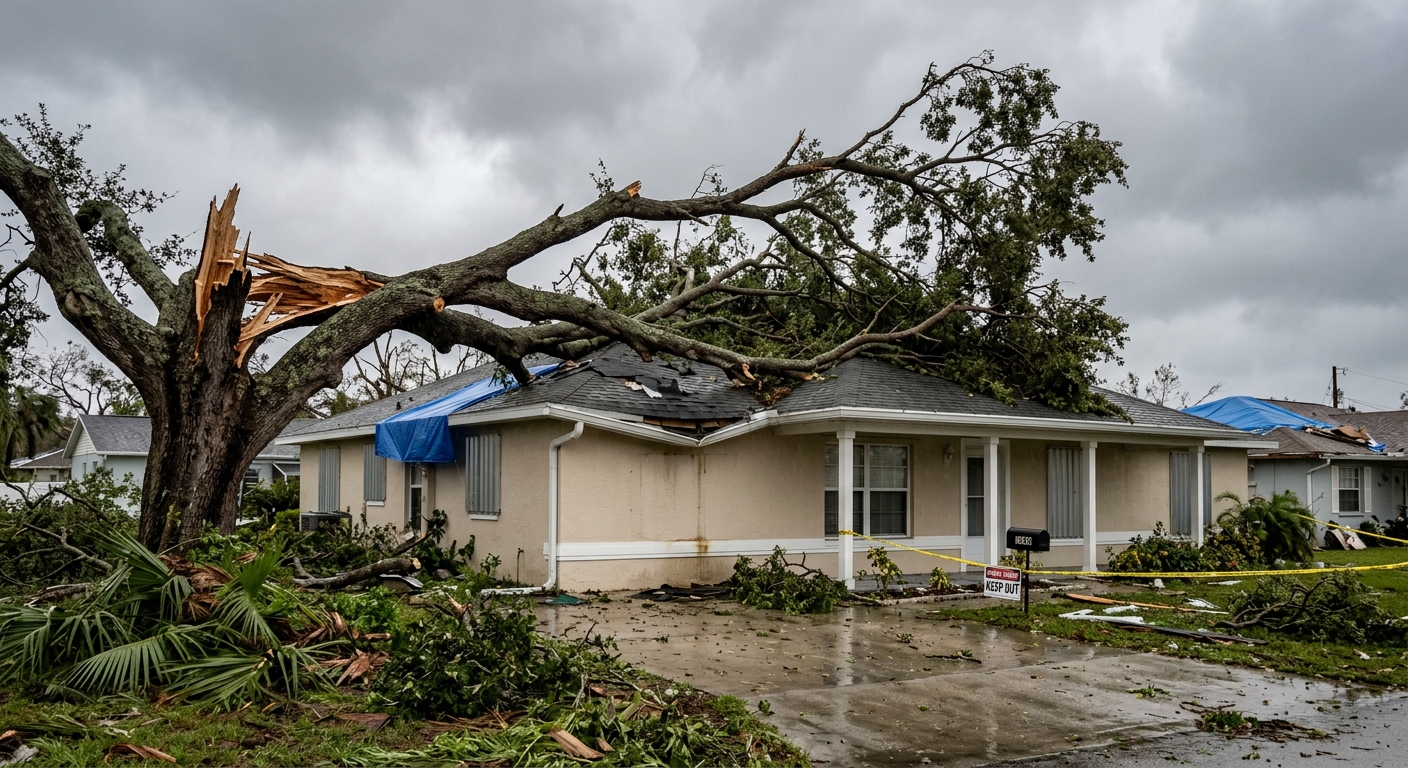
Even healthy trees require professional service when their size or location creates unacceptable DIY risk. Attempting to remove or prune large trees yourself leads to injuries, property damage, and long-term tree health problems. Knowing when size or proximity to structures demands expert help protects you from costly mistakes.
Trees Over 30 Feet — Why DIY Is Too Risky
Trees over 30 feet tall require specialized rigging equipment, climbing gear, and sectional dismantling techniques that only trained arborists possess. A 40-foot oak tree weighs several tons — gravity, momentum, and unpredictable wood grain make controlling the fall direction nearly impossible for untrained individuals. Florida sees 80+ homeowner injuries annually from DIY tree removal attempts, with the majority involving falls from ladders or being struck by falling limbs. Professional tree services use bucket trucks, cranes, and rope systems to lower sections safely, protecting your home, vehicles, and landscaping. If your tree exceeds 30 feet or requires a ladder to reach the lowest branches, hiring a licensed professional is the only safe choice. The cost of professional removal is far less than the medical bills, property repairs, and liability exposure DIY attempts create.
Trees Too Close to Your Home, Garage, or Fence
Trees growing within 10 feet of structures demand professional assessment and maintenance. Proximity to your home means any falling branch or removal error can cause thousands in damage. Roots from nearby trees can penetrate foundation cracks, lift concrete slabs, and damage underground utilities. When trees overhang roofs, falling leaves and branches clog gutters, and overhanging limbs provide wildlife access to attics. Certified arborists perform structural pruning to maintain safe clearance without harming the tree's health. If removal is necessary, they use controlled rigging to dismantle the tree in sections, preventing any contact with your structure. Jacksonville's building codes recommend minimum 15-foot setbacks for large trees near homes — if your tree violates this, proactive professional management prevents future insurance and liability issues.
Multiple Trees in Confined Spaces
Removing or pruning multiple trees in tight spaces requires sequencing, rigging plans, and spatial coordination beyond DIY capability. When trees are crowded together or located between structures, each cut affects the balance and fall path of remaining trees. Professionals assess the entire group, identifying which trees to remove first to create safe working zones. They use directional felling, negative rigging (lowering sections instead of dropping them), and ground protection to work in confined areas without damaging adjacent trees, fences, or landscaping. If you have a cluster of trees that need thinning or if one tree in a tight group shows signs of failure, call a professional tree service to evaluate the entire area. Attempting piecemeal DIY removal in confined spaces frequently results in unintended damage to property or remaining trees.
Tree Health Issues That Need Expert Diagnosis
Many tree health problems require professional diagnosis before they become visible hazards. Early intervention by a certified arborist can save a tree's life and prevent expensive emergency removal. Knowing when to call for expert diagnosis protects your property investment and landscape.
Signs of Disease, Fungal Infection, or Pest Damage
Discolored leaves, oozing sap, unusual growth patterns, or visible insects all signal disease or pest damage that requires professional treatment. Jacksonville trees face threats from oak wilt, southern pine beetles, termites, and various decay fungi. If you notice mushrooms or conks growing on the trunk, premature leaf drop, or sawdust piles at the base, these are symptoms of serious infestations. ISA-certified arborists identify the specific pathogen or pest and prescribe targeted treatments — fungicides, systemic insecticides, or pruning infected sections. Many tree diseases spread rapidly to neighboring trees if untreated, so early professional intervention protects your entire landscape. Attempting DIY diagnosis wastes time and allows the condition to worsen, often progressing from treatable to terminal.
Sudden Leaf Loss or Sparse Canopy
Sudden leaf loss outside of normal seasonal patterns, or a canopy that appears thin and sparse compared to previous years, indicates root stress, disease, or environmental damage. When a tree loses significant foliage without an obvious cause, call a professional tree service for a tree risk assessment. Arborists examine the root zone, test soil conditions, check for girdling roots, and assess vascular health. Sudden decline often results from construction damage that severed roots, soil compaction from heavy equipment, or changes in drainage that waterlogged or dried out the root zone. Jacksonville's clay soil retains water during rainy periods and becomes rock-hard during drought — both extremes stress trees. Early diagnosis allows corrective measures like soil aeration, root zone mulching, or targeted watering that can reverse decline before the tree dies.
When to Call Before the Tree Becomes a Hazard
Proactive tree care prevents emergencies and saves money. If your tree shows any subtle warning signs — small cracks, minor lean, thinning foliage, or you simply have concerns about its condition — schedule a free tree risk assessment with a certified arborist. Professional evaluation identifies problems in early stages when correction is still possible. Preventive pruning removes weak branches before they fail, crown thinning reduces wind resistance to prevent storm damage, and root zone care strengthens stability. Calling before the tree becomes a hazard tree means you control the timing and cost — emergency removal after failure is 3-5 times more expensive than planned removal or treatment. Jacksonville homeowners should have mature trees assessed every 2-3 years, or immediately after any major storm or construction near the tree.
When Jacksonville Regulations Require Licensed Arborists
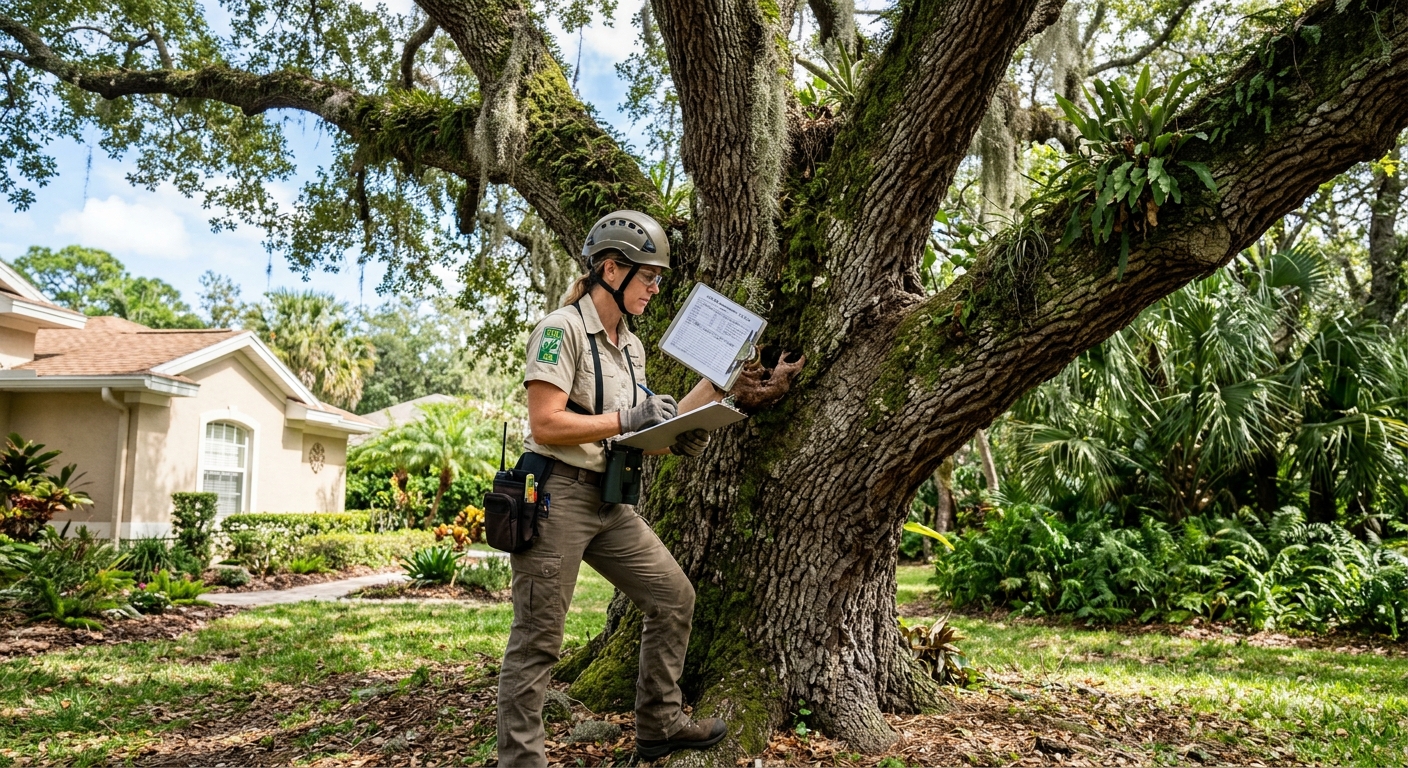
Local regulations, HOA rules, and tree protection ordinances often mandate professional service for tree removal or significant pruning. Understanding Jacksonville's legal requirements prevents fines and ensures compliance. Ignoring permit requirements can result in $500+ penalties per tree and forced replanting obligations.
Heritage Trees and Protected Species
Jacksonville's tree protection ordinance classifies certain large trees as heritage trees, requiring permits and certified arborist assessment before removal. Live oaks with trunk diameters exceeding 18 inches, and other hardwoods over 24 inches, typically qualify for protection. Removing a protected tree without a permit can result in fines up to $500 per tree, plus mandatory replanting of multiple replacement trees. Even if a heritage tree is dead or hazardous, you must obtain a permit and have a licensed arborist document the condition before removal. Professional tree services handle the permit application process, provide required documentation, and ensure compliance with all city regulations. If your tree is large, mature, or a historically significant species, verify permit requirements before any work begins.
HOA Rules and Property Line Restrictions
Homeowners associations in Jacksonville often impose additional restrictions on tree removal and pruning beyond city requirements. HOA rules may require architectural review board approval, mandate replacement plantings, or restrict work during nesting seasons. Trees growing on property lines create shared responsibility — you cannot remove or significantly prune a boundary tree without neighbor consent. Professional tree services familiar with local HOA regulations guide you through the approval process and ensure compliance. They also provide documentation and liability insurance that satisfies HOA requirements. Attempting DIY work that violates HOA rules can result in fines, forced restoration, and neighbor disputes. Always consult your HOA documents and hire a licensed professional who understands local restrictions before touching any tree near property lines.
Avoiding Fines — Understanding Jacksonville Tree Removal Laws
Florida Statute 163.045 and Jacksonville's municipal code regulate tree removal on residential properties. Removing certain trees without permits, working without proper licensing, or disposing of tree waste improperly all trigger penalties. Licensed professional tree services carry the required city business licenses, liability insurance, and waste disposal permits — they assume legal responsibility for compliance. If you hire an unlicensed individual or attempt DIY removal of a protected tree, you face personal liability for all violations. Fines start at $500 and escalate for repeat offenses or damage to protected species. Professional services also handle debris disposal legally — Jacksonville requires proper chipping, mulching, or permitted transport to authorized facilities. Dumping tree waste illegally adds environmental violations to your penalties. When in doubt, call a certified arborist who will assess your situation, explain permit requirements, and ensure all work meets legal standards.
Protecting Yourself: Liability and Insurance Considerations
DIY tree work creates significant liability exposure that homeowner's insurance policies often exclude. Understanding the true financial risk of attempting tree removal yourself reveals why professional service is the economical choice. One accident can cost far more than a lifetime of professional tree care.
Why Homeowner's Insurance Won't Cover DIY Tree Damage
Florida homeowner's insurance policies typically exclude coverage for injuries or property damage resulting from DIY tree work. If you injure yourself while cutting a tree, your medical bills are your responsibility — insurance considers this a self-inflicted injury from an elective activity. If your tree falls on your neighbor's fence, car, or home during your DIY removal attempt, your liability coverage may deny the claim because you failed to use a licensed professional for a hazardous activity. Insurance companies view tree removal as inherently dangerous work requiring professional expertise. When a licensed, insured tree service performs the work, their commercial liability coverage protects you from claims if anything goes wrong. Their workers' compensation covers employee injuries, not you. Professional tree services carry $1-2 million in liability coverage specifically for property damage and third-party injury — protection you cannot access through DIY work.
The True Cost of DIY: Equipment Rental, Disposal, and Risk
DIY tree removal appears cheaper until you calculate all costs. Chainsaw rental runs $75-100/day, a bucket lift costs $300-500/day, and disposal fees at Jacksonville landfills add $50-150 depending on volume. Protective gear, fuel, and blade sharpening add another $100+. A single-day project often extends to multiple days once you realize the complexity, multiplying rental costs. Factor in injury risk — even a minor chainsaw cut means emergency room visits starting at $1,500, and a fall from a ladder can require surgery and months of lost income. Compare that to professional tree service quotes: a typical $800-1,200 removal includes all equipment, labor, disposal, and full insurance coverage. Professionals complete in hours what takes DIY attempts days or weeks. When you calculate the true cost including risk, rental fees, and your time, professional service consistently costs less than DIY.
How Professional Tree Service Protects Your Property
Licensed professional tree services protect your property through proper equipment, proven techniques, and comprehensive insurance. Certified arborists assess each tree and create a removal or pruning plan that accounts for fall direction, wind conditions, and proximity hazards. They use rigging systems that control every section of the tree as it's dismantled, preventing ground impact that damages landscaping, underground utilities, or structures. Ground protection mats prevent equipment from compacting soil or crushing irrigation lines. After removal, professionals grind stumps below grade and fill holes, preventing tripping hazards and pest harborage. Their commercial liability insurance covers any accidental damage during work — if a rigging rope fails and a section hits your fence, their policy pays for repairs at no cost to you. This comprehensive protection is why Jacksonville homeowners who value their property investment trust professional tree service for any significant tree work.
Jacksonville's Hurricane Season: Plan Ahead, Not in a Crisis
Hurricane season preparedness separates smart homeowners from those facing post-storm emergencies. Proactive tree care before storm season saves money, secures faster service, and prevents damage. Waiting until a hurricane warning is issued means you're competing with thousands of panicked neighbors for limited professional availability.
Spring Tree Assessment Saves You Money in Storm Season
Scheduling a free tree risk assessment in April or May — before hurricane season begins in June — gives you time to address hazards at non-emergency pricing. Certified arborists identify weak branches, unstable trees, and structural problems during calm weather when thorough assessment is possible. Removing hazard trees or performing structural pruning in spring costs 30-40% less than emergency removal after a storm. You also get scheduled service within days, not weeks. Preventive pruning removes dead branches and thins dense canopies, reducing wind resistance that causes trees to fail during hurricanes. Jacksonville typically sees peak hurricane risk August through October — any tree work completed by July protects your home during the worst months. Smart homeowners use spring assessments to budget for necessary work and complete it before storm season, ensuring their property is protected when the first tropical system approaches.
Preventive Pruning vs. Emergency Removal Costs
Preventive pruning costs $400-800 for a large tree and eliminates most storm-related failure risk. Emergency removal after a tree falls on your home costs $3,000-6,000 plus property repairs that can exceed $10,000. Crown thinning, deadwood removal, and structural pruning performed before storm season strengthen the tree and reduce wind sail area. This scheduled maintenance prevents failure during hurricanes, protects your roof and vehicles, and maintains tree health for long-term landscape value. Emergency removal requires night or weekend work, crane access for trees on structures, and hazardous conditions that justify premium pricing. Post-storm demand surges also drive prices up — when every neighborhood needs tree service simultaneously, you pay emergency rates and wait weeks for availability. The cost of waiting is consistently 4-8 times higher than proactive preventive care. If budget is a concern, preventive pruning scheduled in spring delivers maximum protection at minimum cost.
Why Summer Scheduling Beats Post-Storm Emergencies
Scheduling tree work in June or July — early in hurricane season but before major storms — provides a critical safety window. Homeowners who wait until a hurricane warning is issued face 2-3 week backlogs and often can't get service before the storm arrives. Summer scheduling allows tree services to work in dry conditions with full crews, completing work efficiently. If you have concerns about a specific tree, calling early in summer means it's addressed before the peak storm months of September and October. Post-storm emergencies mean working in saturated soil, on damaged trees under tension, often in unsafe conditions with debris blocking access. Professionals prioritize life-safety emergencies after storms, so non-critical work waits weeks. Summer scheduling gives you control over timing, pricing, and service quality. Jacksonville experiences tropical weather from June through November — the homeowners with the least storm damage are those who addressed tree hazards before August.
Why Jacksonville Homeowners Trust Professional Tree Service
When you're choosing a tree service, certifications, local experience, and transparent practices separate legitimate professionals from weekend chainsaw operators. Jacksonville homeowners trust companies that demonstrate expertise, carry proper credentials, and stand behind their work with guarantees.
ISA-Certified Arborists You Can Count On
ISA certification means the arborist has passed rigorous exams covering tree biology, diagnosis, pruning science, and safety standards. Certified arborists maintain continuing education requirements and adhere to ISA's professional ethics code. When you hire an ISA-certified arborist, you're working with someone who can diagnose disease, recommend treatments, and perform pruning that enhances tree health rather than harming it. Non-certified tree cutters often top trees, make improper cuts that invite decay, or remove healthy trees unnecessarily. ISA-certified professionals provide honest assessments — if your tree can be saved, they'll recommend treatment; if it's truly hazardous, they'll explain why removal is necessary. Tree Service Jacksonville FL employs ISA-certified arborists who bring decades of combined experience diagnosing Jacksonville's most common tree problems. Trust the credentials that matter — look for ISA certification on every estimate.
Free Tree Risk Assessments — No Obligation
Reputable professional tree services offer free, no-obligation tree risk assessments to help you make informed decisions. A certified arborist visits your property, examines the tree in question, and provides an honest evaluation of risks, treatment options, and cost estimates. Free assessments eliminate the guesswork — you get expert diagnosis without financial commitment. This transparency builds trust and allows you to compare options before making decisions. During the assessment, arborists identify specific hazards you may have missed, explain the timeline for addressing issues, and answer all your questions. If the tree is healthy and requires no work, they'll tell you that too. Tree Service Jacksonville FL provides free tree risk assessments throughout Jacksonville and surrounding areas — call (904) 634-3474 to schedule your evaluation. There's no pressure, no hidden fees, just honest expertise to help you protect your property.
Licensed, Insured, and Locally Experienced
Legitimate professional tree services carry city business licenses, $1-2 million in liability insurance, and workers' compensation coverage for all employees. Before hiring any tree service, verify they can provide proof of insurance and licensing — never accept verbal assurances. Local experience matters in Jacksonville because tree species, soil conditions, and storm patterns require region-specific knowledge. Arborists who have worked through multiple hurricane seasons understand how Jacksonville's live oaks and pines respond to wind stress. They know which neighborhoods have clay soil prone to root instability, and they're familiar with city permit requirements. Tree Service Jacksonville FL has served Jacksonville and the surrounding communities for years, building a reputation for safety, honesty, and quality work. Our locally owned business understands the unique challenges Jacksonville homeowners face, and we stand behind every job with a satisfaction guarantee. When you hire licensed, insured professionals with local experience, you get service tailored to Jacksonville's specific needs.
Frequently Asked Questions
How do I know if my tree is an emergency or if it can wait?
If your tree has fallen, is leaning significantly, touching power lines, has large cracks in the trunk, or poses an immediate threat to people or structures, it's an emergency — call a professional tree service immediately. If you notice gradual decline like thinning foliage or minor deadwood, schedule an assessment within a week to prevent escalation. When in doubt, a free tree risk assessment from a certified arborist provides clarity at no cost.
What does emergency tree service in Jacksonville cost compared to scheduled service?
Emergency tree service typically costs 50-100% more than scheduled work due to after-hours labor, urgent response requirements, and hazardous conditions. A scheduled tree removal might cost $800-1,200, while the same tree requiring emergency removal after it falls on your roof can cost $3,000-6,000. Preventive care scheduled during normal business hours always delivers the best value.
Do I need a permit to remove a tree in Jacksonville?
Jacksonville requires permits for removing heritage trees — typically live oaks over 18 inches in diameter and other hardwoods over 24 inches. Protected trees require certified arborist documentation of hazard conditions or disease before the city issues a removal permit. Your professional tree service handles permit applications and ensures compliance with all local regulations. Removing a protected tree without a permit can result in fines up to $500 per tree.
Will my homeowner's insurance cover tree removal?
Homeowner's insurance typically covers tree removal only if the tree fell due to a covered peril like a storm and caused damage to a structure or blocked access. Insurance does not cover removal of standing dead trees or preventive removal of hazard trees — that's your responsibility as the property owner. If you attempt DIY removal and cause damage, most policies exclude coverage for self-inflicted damage. Professional tree services carry their own liability insurance that protects you during the work.
How far in advance should I schedule tree work before hurricane season?
Schedule tree assessments in April or May and complete any necessary pruning or removal by early July. This timing ensures you address hazards before peak hurricane season (August-October) and avoid the scheduling backlog that happens once tropical systems develop. Early scheduling also secures non-emergency pricing — waiting until a storm is forecast means you compete with thousands of neighbors for limited availability at premium emergency rates.
Call Our Jacksonville Tree Service Team Now
If you're facing a tree situation and uncertain whether it requires professional help, the answer is simple: it's always safer and more cost-effective to ask. Our certified arborists provide honest assessments, transparent pricing, and same-day emergency response when you need it most. Jacksonville homeowners trust us because we treat every property like our own — protecting your home, your family, and your landscape with expert care.
Unsure if Your Situation Qualifies? We'll Advise You Free
You don't need to guess whether your tree problem requires professional service. Call (904) 634-3474 for a free, no-obligation phone consultation. Describe your situation, and our certified arborist will tell you honestly whether it's something you can handle yourself or if professional service is necessary. If we recommend an in-person assessment, we'll schedule it at your convenience — still completely free with no pressure to commit. We'd rather answer your questions and build trust than sell you services you don't need. When you do need help, you'll know exactly who to call because we've already proven our expertise and integrity.
Same-Day Emergency Response Available
Tree emergencies don't wait for business hours, and neither do we. If you have a fallen tree, a tree threatening your home, or any immediate safety hazard, call (904) 634-3474 now for same-day emergency response. Our crews are equipped to handle urgent situations safely and efficiently, minimizing property damage and restoring your security. We respond throughout Jacksonville and surrounding areas, arriving quickly with the equipment needed to address your emergency. Emergency service includes temporary stabilization, safe removal of hazards, and debris cleanup — we don't leave until your property is safe. Don't wait and hope the situation stabilizes — storm-damaged and unstable trees worsen rapidly, especially with additional wind or rain. Call now for immediate help.
Get a Transparent Quote — No Hidden Fees
Every quote we provide includes a complete breakdown of costs — labor, equipment, disposal, and any permit fees if applicable. You'll never face surprise charges or hidden fees after the work is complete. Our certified arborist explains exactly what work is necessary, why it's necessary, and what it will cost before any crew arrives. We offer options when possible — if your tree can be saved with pruning instead of removal, we'll quote both and let you decide. Tree Service Jacksonville FL has built our reputation on honesty and transparency. When you call (904) 634-3474, you'll speak with a knowledgeable team member who can provide an estimate over the phone for straightforward projects or schedule a free on-site assessment for complex situations. Get the clear answers and fair pricing you deserve — call now and experience the Tree Service Jacksonville FL difference.